Coeur d'Alene REALTOR: David Puccetti May 9, 2026

North Idaho vs Montana | Comparison

North Idaho vs Montana: Which Is Better for Relocation?

North Idaho versus Montana relocation guide 2026 comparing lifestyle, housing, outdoor recreation, and cost of living

If you are comparing North Idaho vs Montana for relocation, you are probably looking for mountain views, outdoor access, more space, and a better quality of life. Both places offer a rugged Northwest lifestyle, but they feel very different once you compare housing, weather, taxes, amenities, travel access, and day-to-day convenience.

For many relocating buyers, North Idaho offers a strong balance of lake lifestyle, mountain recreation, lower-maintenance access to services, and proximity to Spokane. Montana can be an excellent fit for buyers who want bigger landscapes, more open space, and a more remote western feel. The better choice depends on how you want to live.

Quick Answer: Is North Idaho or Montana Better?

North Idaho is usually the better fit for buyers who want lake access, smaller-city convenience, four-season recreation, and easier access to shopping, airports, healthcare, and regional services. Areas like Coeur d’Alene, Hayden, Post Falls, Rathdrum, Athol, and Spirit Lake give relocating buyers a mountain-town lifestyle without feeling completely isolated.

Montana may be the better fit for buyers who want a more wide-open, rural, or frontier-style lifestyle. Cities like Kalispell, Missoula, Bozeman, Helena, and Whitefish offer beautiful scenery, but housing costs, winter conditions, and travel distances can vary dramatically depending on the area.

North Idaho vs Montana Relocation Comparison

Category North Idaho Montana
Best For Lake lifestyle, relocation convenience, Spokane access, smaller communities Wide-open space, mountain towns, ranch lifestyle, remote living
Popular Areas Coeur d’Alene, Hayden, Post Falls, Rathdrum, Athol, Spirit Lake Kalispell, Missoula, Bozeman, Helena, Whitefish, Billings
Lifestyle Feel Lake-town, forested, convenient, recreation-focused Big-sky, rural, expansive, more spread out
Outdoor Access Lakes, boating, hiking, skiing, fishing, trails National parks, mountains, rivers, hunting, skiing, hiking
Travel Access Close to Spokane International Airport Airport access varies widely by city
Housing Style Lake homes, suburban homes, acreage, wooded properties Mountain homes, ranch properties, cabins, larger parcels

Why Many Relocation Buyers Choose North Idaho

North Idaho appeals to buyers who want natural beauty without giving up daily convenience. Coeur d’Alene and the surrounding Kootenai County communities offer access to lakes, trails, ski areas, golf, restaurants, medical services, and regional shopping while still maintaining a smaller-town feel.

For buyers coming from California, Washington, Oregon, Arizona, Colorado, or Texas, North Idaho often feels like a practical relocation choice because it provides outdoor lifestyle upgrades without requiring a completely remote move.

North Idaho is especially attractive for buyers who want to be near Lake Coeur d’Alene, Hayden Lake, forested neighborhoods, acreage properties, and communities that still have reasonable access to Spokane.

Why Some Buyers Prefer Montana

Montana has a different kind of appeal. It is bigger, more open, and often feels more remote. For buyers who want dramatic mountain scenery, larger parcels, ranch-style living, or a stronger sense of separation from larger metro areas, Montana can be very compelling.

The tradeoff is that Montana’s most desirable relocation markets can be expensive, and the distance between cities, services, airports, and healthcare can be much greater. A buyer considering Montana should think carefully about winter driving, access to daily essentials, job flexibility, and how much isolation they actually want.

Housing: North Idaho vs Montana

Housing in both North Idaho and Montana can vary dramatically by city, property type, and lifestyle preference. In North Idaho, buyers often compare homes in Coeur d’Alene, Hayden, Post Falls, Rathdrum, Athol, and Spirit Lake. These areas can include everything from suburban homes and new construction to luxury lake properties and wooded acreage.

Montana housing depends heavily on the specific market. Bozeman, Whitefish, and parts of the Flathead Valley can be expensive because of lifestyle demand and limited supply. Other Montana cities may offer more affordability, but they may also come with longer travel distances or fewer lifestyle amenities.

For many relocating buyers, North Idaho offers a more compact and practical search area. You can compare lake communities, acreage areas, and suburban neighborhoods within a relatively tight geographic region.

Weather and Winters

Both North Idaho and Montana have real winters. Snow, freezing temperatures, and seasonal road conditions should be part of the relocation decision.

North Idaho winters are noticeable but are often easier for many relocating buyers to adjust to than colder, windier, or more remote parts of Montana. Montana’s weather can vary significantly by region, with some areas experiencing harsher cold, stronger winds, and longer winter driving conditions.

If you are moving from a warmer climate, North Idaho may feel like a more manageable transition while still offering a true four-season lifestyle.

Taxes and Cost of Living

Taxes should not be the only reason to choose a state, but they do matter. Idaho has a state sales tax, while Montana is known for having no general statewide sales tax. Idaho also has state income tax. Montana also has state income tax, with tax treatment depending on income and filing situation.

The bigger financial question is usually not just taxes. Buyers should compare home prices, property taxes, insurance, utilities, travel costs, heating costs, and how often they will need to drive longer distances for services.

For many buyers, North Idaho can feel more convenient because services are closer together. In Montana, some areas may appear more affordable at first but can come with higher travel time, more winter maintenance, or fewer nearby amenities.

Outdoor Lifestyle Comparison

North Idaho is one of the best regions in the Northwest for buyers who want lakes, boating, hiking, fishing, skiing, and forest access in the same general area. Lake Coeur d’Alene, Hayden Lake, the Spokane River, Schweitzer, Silver Mountain, and countless trails make the region especially appealing for active buyers.

Montana is hard to beat for national park access, big mountain views, fly fishing, hunting, skiing, and wide-open landscapes. Buyers who want more dramatic distance and larger scenery may prefer Montana.

The difference is convenience. North Idaho often gives buyers outdoor access with less daily friction. Montana often offers more scale and remoteness.

Which Is Better for Remote Workers?

North Idaho can be a strong fit for remote workers who want lifestyle improvement while staying connected to an airport, healthcare, restaurants, schools, and regional services. Post Falls and Coeur d’Alene are especially practical for buyers who want quick access to Spokane when needed.

Montana can also work well for remote workers, especially in larger cities like Missoula, Bozeman, Helena, and Kalispell. However, buyers considering more rural Montana areas should research internet access, winter road conditions, and distance to essential services before committing.

Which Is Better for Retirees?

North Idaho is often a strong choice for retirees who want recreation, scenery, healthcare access, and a quieter pace without being too far from a regional airport. Coeur d’Alene and Hayden are especially attractive for buyers who want lake lifestyle and amenities close by.

Montana may appeal to retirees who want more land, more privacy, and a quieter rural lifestyle. However, healthcare access, winter maintenance, and distance to family or airports should be carefully considered.

Which Is Better for Acreage Buyers?

Both North Idaho and Montana can be excellent for acreage buyers. In North Idaho, areas around Rathdrum, Athol, Spirit Lake, and parts of Kootenai County may appeal to buyers looking for wooded lots, shop space, privacy, and room for animals.

Montana can offer larger parcels and a more open rural feel, but buyers should pay close attention to road access, utilities, wells, septic systems, snow removal, internet, and distance to town.

Best Fit by Buyer Type

  • Choose North Idaho if you want lakes, trees, convenience, smaller communities, and access to Spokane.
  • Choose Montana if you want more open space, bigger landscapes, and a more remote western feel.
  • Choose North Idaho if you want a relocation destination that feels scenic but still practical.
  • Choose Montana if you are comfortable with more distance between cities and services.
  • Choose North Idaho if you are focused on Coeur d’Alene, Hayden, Post Falls, Rathdrum, Athol, or Spirit Lake homes.

Final Verdict: North Idaho vs Montana

North Idaho and Montana both offer a strong mountain-west lifestyle, but they serve different types of buyers. Montana is ideal for people who want scale, space, and a more remote feel. North Idaho is often the better fit for buyers who want outdoor living, lakes, trees, community, and convenience in one place.

If you are relocating and want to compare real neighborhoods, home prices, commute patterns, acreage options, and lifestyle fit in North Idaho, the best starting point is to narrow your search by community. Coeur d’Alene, Hayden, Post Falls, Rathdrum, Athol, and Spirit Lake each offer a different version of the North Idaho lifestyle.

Frequently Asked Questions About North Idaho vs Montana

Is North Idaho better than Montana for relocation?

North Idaho may be better for buyers who want lake access, outdoor recreation, smaller communities, and convenient access to Spokane. Montana may be better for buyers who want more open space, larger landscapes, and a more remote lifestyle.

Is Montana cheaper than North Idaho?

It depends on the city and property type. Some Montana areas may be more affordable, while markets like Bozeman, Whitefish, and parts of the Flathead Valley can be expensive. North Idaho also varies by community, with Coeur d’Alene and Hayden often priced differently than Rathdrum, Athol, or Spirit Lake.

Is North Idaho good for retirees?

North Idaho can be a strong fit for retirees who want natural beauty, recreation, healthcare access, and proximity to a regional airport. Coeur d’Alene, Hayden, and Post Falls are popular areas to compare.

Which has better outdoor recreation, North Idaho or Montana?

Both are excellent. North Idaho is especially strong for lake access, boating, hiking, skiing, fishing, and forest recreation. Montana offers national parks, bigger mountain landscapes, rivers, hunting, skiing, and wide-open scenery.

Should I move to Coeur d’Alene or Montana?

Coeur d’Alene may be a better fit if you want a lake-centered lifestyle with restaurants, shopping, healthcare, and Spokane access nearby. Montana may be a better fit if you want a larger, more remote landscape and are comfortable with longer distances between services.

Thinking About Moving to North Idaho?

If you are comparing North Idaho vs Montana, I can help you understand which North Idaho communities best match your lifestyle, budget, and long-term goals.

I help buyers compare Coeur d’Alene, Hayden, Post Falls, Rathdrum, Athol, Spirit Lake, and the surrounding Kootenai County area so they can make a confident relocation decision.

  • Compare North Idaho communities by lifestyle and budget
  • Understand local housing options before you relocate
  • Review homes, acreage, lake access, and neighborhood fit
  • Get local guidance from a Coeur d’Alene area REALTOR®

David Puccetti
PNW Home Sales
Phone: 208-699-5676
Email: david.puccetti@cbinw.com

Contact David About Relocating to North Idaho

Coeur d'Alene REALTOR: David Puccetti May 9, 2026

Luxury Estates for Sale in Rathdrum Idaho
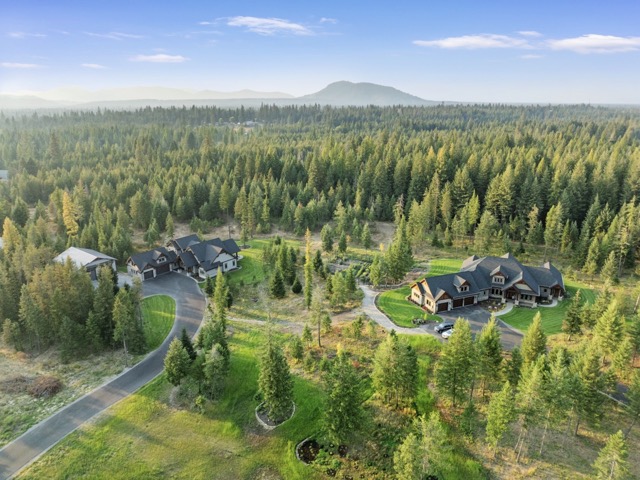
 

Luxury Homes for Sale in Rathdrum

Luxury compound property in North Idaho with scenic surroundings, spacious estate features, and private living

North Idaho continues to attract buyers searching for privacy, luxury craftsmanship, acreage properties, and access to the outdoor lifestyle that makes the Coeur d’Alene area so desirable. These featured luxury homes at 1237 E Amulet Cir and 1159 E Amulet Cir showcase the very best of Rathdrum real estate with custom construction, wooded acreage, multigenerational living options, and high-end finishes throughout.

Located just minutes from Hayden, Coeur d’Alene, and downtown Rathdrum, both homes provide the rare balance of peaceful country living and convenient access to shopping, recreation, golf, lakes, hiking, boating, and year-round outdoor adventure.

1237 E Amulet Cir – Luxury Multigenerational Estate on 4.82 Acres

Nestled on 4.82 acres in beautiful North Idaho, 1237 E Amulet Cir is a custom-built luxury multigenerational home crafted by an award-winning local builder. This timeless estate blends rustic charm with modern luxury and functionality while offering exceptional privacy just minutes from Hayden and Coeur d’Alene.

Enter through the expansive covered porch with custom timber accents into a grand living space featuring vaulted ceilings with exposed timbers, cedar-covered ceilings, and floor-to-ceiling masonry gas fireplaces with timber mantles.

The chef-inspired kitchen features premium Thermador appliances, double ovens, quartz countertops, an oversized island, and a spacious walk-in pantry designed for both entertaining and everyday comfort.

One of the most unique features of this home is the immaculate multigenerational suite complete with its own private entrance, covered patio, kitchen, living room, bedroom, bathroom, walk-in closet, and separate masonry fireplace.

Property Highlights

  • 4.82 professionally landscaped acres
  • Custom-built luxury home by award-winning local builder
  • Three spacious ensuite bedrooms with walk-in closets
  • Large multigenerational suite with private entrance and patio
  • Two floor-to-ceiling masonry fireplaces with timber mantles
  • Chef’s kitchen with Thermador appliances and double ovens
  • Three covered patios and stone gas fire pit
  • Garden area with raised beds and automatic irrigation
  • 1,575 sq ft heated garage with workstation and storage cabinets
  • Whole-house humidifier and water softener
  • Paved driveway and county-maintained road access
  • MLS# 25-7904

1159 E Amulet Cir – Luxury North Idaho Estate on 5.08 Wooded Acres

Welcome to 1159 E Amulet Cir — a luxury North Idaho estate offering rustic elegance, exceptional craftsmanship, and peaceful wooded surroundings. This custom-built 3,409 sq. ft. residence by an award-winning local builder is situated on 5.08 acres and delivers the perfect combination of seclusion and convenience.

From the striking timbered entry to the vaulted ceilings with exposed cedar timbers and walls of windows, every detail of the home was designed to embrace the surrounding North Idaho landscape.

The chef-inspired kitchen features custom knotty alder cabinetry, quartz countertops, premium Thermador appliances, dual dishwashers, separate refrigerator and freezer units, a butler’s pantry, and an oversized island perfect for entertaining.

The luxurious primary suite offers a spa-like retreat complete with an oversized walk-in shower with three shower heads, soaking tub, and elegant finishes throughout.

Outdoors, the timbered patio overlooks beautifully wooded acreage where turkey, deer, elk, and moose are often seen roaming the property.

Estate Features

  • 5.08 wooded acres with privacy and natural beauty
  • 3,409 sq. ft. custom-built luxury residence
  • 3 bedrooms and 3.5 bathrooms
  • Vaulted ceilings with exposed cedar timbers
  • Chef’s kitchen with Thermador appliances
  • Dual dishwashers and butler’s pantry
  • Luxury spa-inspired primary bathroom
  • 10-foot ceilings and 8-foot solid core doors
  • Oversized 3-car garage
  • 40’ x 52’ insulated shop with dual 14’ doors
  • Professionally landscaped grounds with sprinklers
  • Paved driveway and excellent access to nearby amenities
  • MLS# 25-9015

Why Buyers Are Relocating to Rathdrum and North Idaho

Rathdrum continues to be one of the fastest-growing communities in Kootenai County thanks to its combination of acreage properties, newer construction homes, outdoor recreation, and proximity to Coeur d’Alene and Spokane.

Buyers relocating from California, Washington, Arizona, Texas, and other metro areas are increasingly drawn to North Idaho for its quality of life, scenic surroundings, lower population density, and access to lakes, mountains, golf, hiking, skiing, and boating.

Luxury acreage homes like these Amulet Circle estates offer the kind of privacy, craftsmanship, and lifestyle that are becoming increasingly difficult to find in many parts of the country.

Thinking About Moving to North Idaho?

David Puccetti with PNW Home Sales helps buyers relocate to Rathdrum, Coeur d’Alene, Hayden, Post Falls, and communities throughout Kootenai County.

📞 208-699-5676
📧 david.puccetti@cbinw.com

Explore more North Idaho relocation guides and homes for sale at:
https://pnwhomesales.com/

Coeur d'Alene REALTOR: David Puccetti May 2, 2026

Cost of Living in Coeur d’Alene, Idaho (2026 Guide)

Cost of Living in Coeur d’Alene, Idaho (2026 Breakdown: Housing, Taxes & Monthly Costs)

Coeur d’Alene Idaho lakeside view and community guide featuring waterfront scenery and North Idaho lifestyle

If you’re considering relocating to North Idaho, one of the first questions you’ll likely ask is: What does it cost to live in Coeur d’Alene? Located in Coeur d’Alene in Kootenai County, this scenic lakeside community has become one of the most desirable relocation destinations in the Pacific Northwest. Its outdoor lifestyle, strong community atmosphere, and proximity to Spokane have attracted buyers from across the United States. However, like many popular destinations, the cost of living in Coeur d’Alene has increased in recent years due to population growth and housing demand. In this guide, we’ll break down housing, groceries, utilities, transportation, and other expenses so you can understand what it really costs to live here.


Overall Cost of Living in Coeur d’Alene

Overall, Coeur d’Alene’s cost of living is slightly higher than the U.S. average, largely due to housing prices. The city has an overall cost-of-living index around 116 compared to the national average of 100. Housing is the largest factor driving those costs, while utilities and services remain closer to the national average. If you’d like to compare detailed cost-of-living statistics, you can view additional data here:

For many people moving from high-cost states like California or Washington, Coeur d’Alene may still feel relatively affordable despite these increases.


Housing Costs in Coeur d’Alene

Housing is by far the largest contributor to the cost of living in Coeur d’Alene. According to recent cost-of-living data:

  • Median home value: about $581,976
  • Median rent: about $1,328 per month
  • Median household income: about $70,845

Housing costs are roughly 39% higher than the national average, which reflects the region’s popularity and limited housing inventory.

Typical Housing Prices

Current estimates for housing include:

  • 1-bedroom apartment downtown: about $1,600-$1,800 per month
  • 1-bedroom apartment outside downtown: about $1,350-$1,500 per month
  • 3-bedroom apartment downtown: about $2,400-$2,700 per month

These prices can vary significantly depending on location, property type, and proximity to the lake. Many buyers are drawn to neighborhoods around Lake Coeur d’Alene, which can command higher home prices due to views and recreation access.


Renting vs Buying in Coeur d’Alene

Many people relocating to North Idaho choose to rent temporarily before purchasing a home. Renting allows newcomers to explore different areas such as:

  • Post Falls
  • Hayden
  • Rathdrum

However, because the real estate market has seen strong appreciation over the past decade, many residents eventually decide to buy. Owning a home may also provide long-term financial stability compared with rising rental prices.


Utility Costs

Utilities in Coeur d’Alene tend to be close to or slightly below national averages. Typical monthly utility costs include:

  • Electricity, heating, water, and garbage: about $90-$325 per month
  • Internet service: around $50-$80 per month

Another estimate shows average utilities for an apartment at around $140 per month, depending on usage and season. Winter heating costs may increase slightly because North Idaho experiences cold winters and occasional snowfall.


Grocery Costs

Groceries in Coeur d’Alene are moderately higher than the national average, with a grocery index of about 112 compared to the national average of 100. Typical grocery prices include:

  • Bread: about $3 per loaf
  • Eggs: about $3-$4 per dozen
  • Chicken breast: about $13-$14 per kilogram
  • Milk: about $1 per liter

Residents shop at major retailers such as:

  • Costco
  • Walmart
  • Safeway

Local farmers markets are also popular during summer months, offering fresh produce grown throughout North Idaho.


Transportation Costs

Transportation costs in Coeur d’Alene are slightly above the national average, with an index of around 118. However, the area has relatively short commute times compared to major cities. Typical transportation costs include:

  • Gasoline: about $0.86-$0.99 per liter
  • Taxi starting fare: about $5
  • Taxi cost per kilometer: about $1.74

Most residents rely on personal vehicles since public transportation is limited. Many people commute to nearby Spokane for employment opportunities, which is about 30 minutes from Coeur d’Alene.


Healthcare Costs

Healthcare costs in Coeur d’Alene are slightly above national averages, with a healthcare cost index around 113. Medical services in the region are anchored by Kootenai Health, a major regional medical center that provides advanced healthcare services to residents throughout North Idaho. Typical healthcare costs may include:

  • Doctor visit: about $94
  • Dental visit: around $118
  • Optometrist appointment: about $165

Taxes in Idaho

Idaho’s tax structure also influences the cost of living. Important tax details include:

  • Idaho state sales tax: 6%
  • State income tax rate: approximately 5.8%

Property taxes in Idaho are generally lower than many western states, which can help offset housing costs for homeowners.


Why the Cost of Living Has Increased

Over the past decade, several factors have contributed to rising living costs in Coeur d’Alene.

Population Growth

North Idaho has seen significant population growth as people relocate from larger metropolitan areas seeking outdoor recreation and a slower pace of life.

Real Estate Demand

As demand for housing increased, home prices rose significantly.

Lifestyle Appeal

Coeur d’Alene offers access to:

  • boating
  • hiking
  • skiing
  • mountain biking
  • lakefront living

These lifestyle factors have made the area one of the most desirable places to live in the Inland Northwest.


Is Coeur d’Alene Expensive?

Compared with many smaller towns in Idaho, Coeur d’Alene is considered one of the more expensive places to live in the state. However, when compared to major cities across the western United States, it often remains more affordable while offering exceptional lifestyle benefits. Residents enjoy:

  • stunning natural scenery
  • a vibrant downtown
  • lakefront recreation
  • access to a nearby metropolitan area

These qualities help explain why so many people continue relocating to Coeur d’Alene.


Is Coeur d’Alene Worth the Cost?

For many residents, the answer is yes. Living in Coeur d’Alene offers a unique combination of outdoor recreation, scenic beauty, and community atmosphere that is difficult to find elsewhere. Between the lake lifestyle, four seasons, and easy access to nearby amenities, many people find that the quality of life outweighs the higher cost of living.


Thinking About Moving to Coeur d’Alene?

If you’re considering relocating to North Idaho, understanding the local real estate market is one of the most important steps. From lakefront homes to new construction communities and family-friendly neighborhoods, there are many opportunities to find the right home in Coeur d’Alene and the surrounding area. Working with a knowledgeable local real estate professional can help you navigate the market and make the most informed decision possible.


Cost of Living in Coeur d’Alene, Idaho – FAQ

Is Coeur d’Alene, Idaho expensive to live in?

Coeur d’Alene is considered moderately expensive compared to the national average, primarily due to higher housing costs. However, compared to many cities in western states like California and Washington, it is often more affordable while offering a high quality of life.


What salary do you need to live comfortably in Coeur d’Alene?

A household income of approximately $75,000 to $100,000+ per year is typically needed to live comfortably in Coeur d’Alene, depending on housing costs, lifestyle, and whether you are renting or owning a home.


Why is Coeur d’Alene so expensive?

Coeur d’Alene has become more expensive due to increased demand, population growth, and limited housing inventory in Kootenai County. Its desirable location near Lake Coeur d’Alene and access to outdoor recreation have made it a top relocation destination.


Is it cheaper to live in Coeur d’Alene or Spokane?

In general, it is slightly cheaper to live in Spokane than in Coeur d’Alene, especially when it comes to housing. However, Idaho residents may benefit from lower property taxes and a different tax structure, which can offset some costs.


Are home prices high in Coeur d’Alene, Idaho?

Yes, home prices in Coeur d’Alene are higher than the national average, with median home values typically ranging from the mid-$400,000s to over $500,000+, depending on location and property type.


Is Coeur d’Alene a good place to live for families?

Yes, Coeur d’Alene is considered a great place for families due to its safe communities, access to outdoor recreation, and strong sense of community. Many families are drawn to the area for its quality of life and natural surroundings.


Does Idaho have high property taxes?

No, Idaho is known for having relatively low property taxes compared to many other states, which helps offset higher home prices and makes homeownership more affordable over time.

Coeur d'Alene REALTOR: David Puccetti May 1, 2026

Top Reasons to Use a REALTOR® to Sell Your Home

Top Reasons to Use a REALTOR® to List Your Home (Data-Backed 2026 Guide)

Top reasons to list with a REALTOR® including marketing, negotiation expertise, and local real estate guidance

If you’re thinking about selling your home, one of the biggest decisions you’ll make is whether to hire a real estate agent or try to sell it yourself.

At first glance, selling “For Sale By Owner” (FSBO) might seem like a way to save money on commission. But when you look at the actual data—and what really happens during a transaction—the story changes quickly.

👉 According to the National Association of REALTORS®, 91% of sellers use an agent, while FSBO sales have dropped to historic lows.

This guide breaks down the real reasons sellers use REALTORS®, backed by statistics, real-world outcomes, and what actually happens during a home sale.

If you’re planning to sell in North Idaho, you can also review current inventory here:
Coeur d’Alene homes for sale | Post Falls homes for sale | Kootenai County homes for sale


1. Homes Listed With REALTORS® Sell for More Money

This is the single most important factor—and the one most FSBO sellers misunderstand.

👉 NAR data shows homes sold with an agent have a median sale price of $425,000 vs. $360,000 for FSBO—an 18% difference.

On a $600,000 home, that’s over $100,000 difference.

Why this happens:

  • Better exposure to buyers
  • Strategic pricing
  • Competitive offer environments
  • Professional negotiation

Bottom line: Saving commission often costs sellers far more in missed value.


2. MLS Exposure Creates Competition (And Higher Prices)

When you list with a REALTOR®, your home is distributed through the MLS and syndicated to:

  • Zillow
  • Realtor.com
  • Redfin
  • Hundreds of agent websites

This exposure creates competition—and competition drives price.

FSBO listings typically rely on limited exposure, which reduces buyer demand and weakens negotiating leverage.

To understand current buyer demand, review:
Kootenai County real estate market conditions


3. Pricing Strategy Can Make or Break Your Sale

Pricing a home correctly is one of the most important decisions in the entire process.

  • Overpricing: fewer showings, longer time on market, price reductions
  • Underpricing: immediate loss of equity

REALTORS® use:

  • Comparative Market Analysis (CMA)
  • Local absorption rates
  • Buyer demand trends
  • Recent comparable sales

This ensures your home is positioned to attract strong offers quickly.


4. Negotiation Impacts More Than Just Price

Most sellers think negotiation is just about the sale price—but that’s only part of it.

Negotiation also includes:

  • Inspection repairs
  • Buyer concessions
  • Closing timelines
  • Contingencies

Inexperienced sellers often give away thousands in concessions or accept weaker terms without realizing it.

This is one of the biggest hidden reasons FSBO sellers net less.


5. Homes Sell Faster With Professional Representation

Time on market directly affects final sale price.

👉 FSBO homes typically take weeks longer to sell on average.

Longer listings often lead to:

  • Price reductions
  • Buyer skepticism
  • Lower final offers

A properly marketed listing creates urgency early—when buyer interest is highest.


6. Professional Marketing Increases Perceived Value

Today’s buyers expect a high level of presentation.

A REALTOR® provides:

  • Professional photography
  • Listing optimization
  • Online and social media marketing
  • Open house coordination

Better presentation = higher perceived value = stronger offers.


7. Legal Protection and Transaction Management

Real estate transactions involve contracts, disclosures, deadlines, and legal obligations.

Without proper guidance, sellers risk:

  • Contract errors
  • Missed deadlines
  • Disclosure issues
  • Potential legal disputes

A REALTOR® helps manage the entire process and reduce risk.


8. Most Buyers Have Agents (You’re Negotiating Against Professionals)

👉 88% of buyers work with a real estate agent.

This means if you’re selling FSBO:

  • You’re negotiating against professionals
  • Buyers expect structured transactions
  • You may be at a disadvantage

9. FSBO Success Rates Are Extremely Low

FSBO sounds appealing—but the success rate tells the real story.

👉 Only about 10%–11% of FSBO sellers successfully complete a sale.

And even among successful FSBO sales, most sell for less than agent-assisted transactions.


10. You Typically Net More—Even After Commission

This is the key takeaway.

Even after paying commission, most sellers walk away with more money due to:

  • Higher sale price
  • Better negotiation
  • Fewer mistakes

It’s not about cost—it’s about net profit.


Thinking About Selling Your Home in Coeur d’Alene or Kootenai County?

David Puccetti | PNW Home Sales

I help homeowners sell for top dollar using data-driven pricing, targeted marketing, and expert negotiation strategies.

  • ✔ Accurate home value analysis
  • ✔ Custom marketing plan
  • ✔ Maximum exposure to qualified buyers
  • ✔ Strategic negotiation to protect your equity

Call/Text: 208-699-5676
Email: david.puccetti@cbinw.com

Get Your Home Value & Selling Strategy


Frequently Asked Questions About Using a REALTOR®

Is it better to use a REALTOR® to sell your home?

Yes, most sellers benefit from using a REALTOR® because they provide pricing strategy, marketing, negotiation, and transaction management that leads to higher net proceeds.

Do homes sell for more with a real estate agent?

Yes, agent-assisted homes typically sell for more due to better exposure, pricing accuracy, and negotiation.

Is it worth paying a real estate commission?

In most cases, yes. The higher sale price and reduced risk outweigh the commission cost.

What are the risks of selling without an agent?

Risks include underpricing, legal issues, limited exposure, and weaker negotiation outcomes.

How do agents market homes?

Agents use MLS distribution, photography, online platforms, and marketing strategies to attract buyers.

How long does it take to sell a home?

Most homes sell within 30–60 days depending on pricing and market conditions.

Can I negotiate commission?

Yes, commissions are negotiable, but service quality should be considered.

What does a listing agent do?

A listing agent manages pricing, marketing, negotiations, contracts, and closing.

Do I need an agent in a seller’s market?

Yes, an agent helps maximize price and protect your interests even in strong markets.

What is FSBO?

FSBO stands for “For Sale By Owner,” meaning the seller handles the transaction without an agent.

How do I choose the right agent?

Look for local experience, marketing strategy, communication, and proven results.

Will an agent help me net more money?

In most cases, yes—due to higher sale price and stronger negotiation.

Coeur d'Alene REALTOR: David Puccetti May 1, 2026

What Every Home Buyer Should Know

Information Every Home Buyer Should Know Before Buying a House (2026 Guide)

What every home buyer should know in Coeur d’Alene Idaho 2026 guide covering market trends, pricing, and buying tips

Buying a home is one of the biggest financial decisions you will ever make. Whether you are a first-time buyer or relocating to North Idaho, understanding the full process ahead of time can save you thousands of dollars—and prevent costly mistakes.

This guide breaks down everything you need to know before buying a home, including budgeting, financing, inspections, and local market insights.

If you are specifically exploring North Idaho, start with the Relocating to Coeur d’Alene, Idaho guide and browse current Coeur d’Alene homes for sale.


1. Know Your Budget Before You Start Searching

Before looking at homes, you need a clear understanding of your budget. This includes more than just the purchase price.

  • Down payment
  • Monthly mortgage payment
  • Property taxes
  • Insurance
  • Maintenance and repairs

Many buyers begin searching too early and fall in love with homes outside their budget. Avoid that mistake by starting with financial clarity.

For pricing context in this area, review the Cost of Living in Coeur d’Alene guide.


2. Get Pre-Approved for a Mortgage

A mortgage pre-approval is one of the most important steps in the home buying process.

Pre-approval helps you:

  • Understand your price range
  • Strengthen your offer
  • Move quickly in a competitive market

In markets like Coeur d’Alene and Post Falls, serious buyers are expected to be pre-approved before submitting offers.


3. Understand the Local Market

Every real estate market is different. Understanding local conditions can make or break your buying experience.

In Kootenai County, key factors include:

  • Inventory levels
  • Average days on market
  • Price trends
  • Competition among buyers

For a full breakdown, review the Kootenai County market conditions page.


4. Choose the Right Location

Location is one of the most important decisions you will make when buying a home.

Popular areas include:

If you are still deciding, explore the Best Neighborhoods in Coeur d’Alene guide.


5. Always Get a Home Inspection

A home inspection protects you from unexpected repairs and hidden issues.

An inspection typically covers:

  • Roof and structure
  • Electrical and plumbing systems
  • HVAC systems
  • Foundation and drainage

Never skip this step, even in a competitive market.


6. Understand Closing Costs

Closing costs are often overlooked but can add up quickly.

Typical closing costs include:

  • Lender fees
  • Title and escrow fees
  • Appraisal
  • Prepaid taxes and insurance

Most buyers should expect to pay between 2% and 5% of the purchase price in closing costs.


7. Work With the Right Real Estate Agent

A knowledgeable local agent can help you:

  • Find the right homes faster
  • Negotiate effectively
  • Avoid costly mistakes
  • Understand the local market

This is especially important if you are relocating from out of state.

If you are moving to North Idaho, start with the Pros and Cons of Living in Coeur d’Alene.


8. Think Long-Term

Buying a home is not just about today—it is about your future.

Consider:

  • Resale value
  • Neighborhood growth
  • School districts
  • Commute patterns

Smart buyers think beyond the purchase and focus on long-term value.


Need Help Buying a Home in Coeur d’Alene or Kootenai County?

David Puccetti | PNW Home Sales

I help buyers navigate the Coeur d’Alene, Hayden, Post Falls, and Rathdrum markets with a focus on relocation, lifestyle fit, and long-term value.

  • ✔ Compare neighborhoods and home values
  • ✔ Find homes that match your budget and goals
  • ✔ Get guidance through the entire buying process
  • ✔ Avoid common buyer mistakes

Call/Text: 208-699-5676
Email: david.puccetti@cbinw.com

Contact Me About Buying a Home

Related Home Buying & Relocation Guides

Frequently Asked Questions

What should a home buyer know before buying a house?

Buyers should understand their budget, get pre-approved, research neighborhoods, and plan for all ownership costs.

How much money do I need to buy a home?

Most buyers need 3% to 20% down plus closing costs and reserves.

Why is pre-approval important?

It strengthens your offer and helps define your budget.

What credit score is needed?

Most lenders require at least a 620 score, though higher is better.

What are closing costs?

Closing costs typically range from 2% to 5% of the purchase price.

How long does it take to buy a home?

Typically 30–60 days after an offer is accepted.

Should I use a real estate agent?

Yes, agents help you navigate the process and avoid costly mistakes.

What should I look for when touring a home?

Focus on condition, layout, location, and long-term value.

Coeur d'Alene REALTOR: David Puccetti May 1, 2026

Moving to Coeur d’Alene, Idaho in 2026?

Moving to Coeur d’Alene, Idaho in 2026: Pros, Cons, Costs & What to Expect

Coeur d’Alene Idaho lakefront lifestyle with scenic waterfront views, outdoor recreation, and North Idaho living

If you are thinking about moving to Coeur d’Alene, Idaho, you are not alone. Over the last several years, Coeur d’Alene has become one of the most desirable relocation destinations in the Inland Northwest for buyers leaving California, Washington, Oregon, Arizona, Texas, Colorado, Utah, Montana, and other high-cost or fast-paced markets.

People are drawn here for the lake, mountains, four-season lifestyle, strong community feel, and access to outdoor recreation. But Coeur d’Alene is not perfect for everyone. Housing is more expensive than many people expect, the local job market can be limited, winters are real, and growth has changed the area.

This guide breaks down the real pros and cons of living in Coeur d’Alene, what relocation buyers should expect, and how to decide whether North Idaho is the right fit for your lifestyle.

Quick Answer: Is Coeur d’Alene a Good Place to Live?

Yes, Coeur d’Alene can be an excellent place to live if you value outdoor recreation, lake access, a slower pace of life, scenic beauty, and a smaller community feel. It is especially attractive for remote workers, retirees, families, and buyers relocating from higher-cost West Coast markets.

However, Coeur d’Alene may not be the best fit if you need a large local job market, dislike winter weather, want big-city nightlife, or expect Idaho housing to be inexpensive.

Why So Many People Are Moving to Coeur d’Alene

Coeur d’Alene sits in North Idaho along the shores of Lake Coeur d’Alene, surrounded by mountains, forests, rivers, trails, and year-round recreation. For many relocation buyers, the appeal is simple: it offers a lifestyle that feels difficult to find in larger metro areas.

Buyers often compare Coeur d’Alene to places like Spokane, Boise, Bend, Sandpoint, Kalispell, and smaller mountain-lake towns across the West. But Coeur d’Alene has a unique combination of lake lifestyle, scenic setting, local amenities, and access to Spokane International Airport.

If you are just beginning your research, start with my full Relocating to Coeur d’Alene, Idaho guide and the broader Kootenai County homes for sale guide.

Pros of Living in Coeur d’Alene, Idaho

1. The Outdoor Lifestyle Is Hard to Beat

The biggest reason people move to Coeur d’Alene is the lifestyle. This is a place where your weekends can revolve around boating, hiking, biking, fishing, skiing, golfing, paddleboarding, or simply spending time outside.

Lake Coeur d’Alene is the centerpiece of the area, but it is only part of the story. Residents also enjoy easy access to Tubbs Hill, Canfield Mountain, Mineral Ridge, the Centennial Trail, nearby rivers, ski resorts, and countless backcountry areas throughout North Idaho.

If lake access is one of your top priorities, review the dedicated Coeur d’Alene waterfront homes for sale guide.

2. Coeur d’Alene Has Four True Seasons

Coeur d’Alene offers four distinct seasons, which is a major attraction for people relocating from hotter, drier, or more urban environments.

  • Summer: lake days, boating, outdoor dining, hiking, and long evenings
  • Fall: cooler weather, changing colors, quieter trails, and local events
  • Winter: snow, skiing, holiday atmosphere, and a slower seasonal pace
  • Spring: green landscapes, improving weather, and renewed outdoor activity

This seasonal variety is one of the reasons many buyers view Coeur d’Alene as a lifestyle upgrade.

3. Strong Community Feel

Coeur d’Alene still has a smaller-community feel compared with larger West Coast cities. Local businesses, community events, farmers markets, school activities, outdoor groups, and neighborhood connections play a noticeable role in daily life.

For families, retirees, and remote workers who want to feel more connected to where they live, this is a major advantage.

4. Access to Spokane Without Living in Spokane

One of Coeur d’Alene’s biggest advantages is its proximity to Spokane, Washington. Depending on where you live, Spokane is generally about 30 to 40 minutes away.

That gives residents access to:

  • Spokane International Airport
  • Major healthcare systems
  • Additional employment options
  • More shopping and dining
  • Concerts, events, and regional services

This gives Coeur d’Alene residents a useful balance: smaller-city living with access to larger metro resources.

5. Great Fit for Remote Workers

Coeur d’Alene is especially appealing for remote workers. If your income is not tied to the local job market, the area becomes much easier to evaluate based on lifestyle rather than employment limitations.

Remote workers often like Coeur d’Alene because they can get more space, enjoy a better work-life balance, and access outdoor recreation without giving up all modern conveniences.

6. Popular With Retirees and Lifestyle Buyers

Many retirees and semi-retired buyers consider Coeur d’Alene because of its scenery, slower pace, recreation, and relative tax appeal compared with many West Coast states.

Popular options for retirees include lower-maintenance homes near town, properties in Hayden, homes in Post Falls with easier Spokane access, and larger lots outside the city core.

For a broader look at nearby options, explore Hayden homes for sale, Post Falls homes for sale, and Rathdrum homes for sale.

7. Scenic Beauty Is Part of Daily Life

In Coeur d’Alene, the scenery is not just something you visit on vacation. It is part of daily life. Mountain views, lake views, tree-lined neighborhoods, trails, parks, and open spaces create a setting that feels very different from many larger metro areas.

For buyers relocating from congested urban areas, that daily visual change can be one of the biggest quality-of-life improvements.

8. Good Base for Exploring North Idaho

Living in Coeur d’Alene also gives you access to the broader North Idaho region. Sandpoint, Schweitzer Mountain, Priest Lake, Silver Mountain, Wallace, the St. Joe River, Hayden Lake, and numerous smaller communities are all within reach.

If your relocation search is broader than just Coeur d’Alene, my Coeur d’Alene community guide and best neighborhoods in Kootenai County guide can help you compare areas.

Cons of Living in Coeur d’Alene, Idaho

1. Housing Is No Longer “Cheap Idaho”

One of the biggest surprises for relocation buyers is the cost of housing. Coeur d’Alene is not the inexpensive hidden gem it may have been years ago. Demand from out-of-state buyers, limited inventory, lifestyle appeal, and regional growth have all pushed prices higher.

Compared with many California, Seattle, Portland, or Phoenix-area markets, Coeur d’Alene may still feel reasonable. But compared with the broader Idaho average, it is a more expensive market.

If affordability is a major factor, compare options using the Coeur d’Alene homes under $500K guide and the Post Falls homes under $500K guide.

2. The Local Job Market Is Limited

The local job market is one of the most important downsides to understand before moving. Coeur d’Alene has jobs, but it does not have the same depth of employment options as larger metro areas.

Common local industries include healthcare, tourism, hospitality, construction, real estate, local services, education, and small business. Higher-paying corporate or specialized roles may be more limited unless you commute to Spokane or work remotely.

If you need to replace a large-city salary locally, research the employment market before relocating.

3. Winters Require Adjustment

Coeur d’Alene winters are beautiful, but they are real. Snow, ice, cold mornings, early sunsets, and winter driving are all part of life here.

For buyers relocating from Southern California, Arizona, Texas, or other warmer climates, winter can be a bigger adjustment than expected. You may need snow tires, winter driving confidence, proper gear, and realistic expectations about seasonal maintenance.

4. Growth Has Changed the Area

Coeur d’Alene has grown significantly, and long-time residents will often tell you that the area feels different than it used to. More people have brought more housing demand, more traffic, more development, and more pressure on services.

Growth is not necessarily bad, but it is something relocation buyers should understand. If you are looking for a completely undiscovered small town, Coeur d’Alene may feel busier than expected.

5. Summer Tourism Can Be Crowded

Summer is when Coeur d’Alene shines, but it is also when the area gets busiest. Downtown, the lake, boat launches, restaurants, trails, and major events can all see increased traffic and visitor activity.

For many residents, this is simply part of living in a desirable lake town. For others, it can be frustrating during peak season.

6. Big-City Amenities Are Limited

Coeur d’Alene has restaurants, shops, breweries, coffee shops, events, and local entertainment, but it is not a major city. If you are used to large-scale nightlife, endless dining options, major concert venues, professional sports, or dense cultural variety, you may feel some limitations.

Spokane helps fill some of that gap, but day-to-day life in Coeur d’Alene is quieter and more lifestyle-focused.

7. Cost of Living Has Increased

Housing is the biggest cost factor, but it is not the only one. Groceries, insurance, home services, construction, maintenance, and local service providers can also be more expensive than expected.

Buyers moving here should build a realistic budget before assuming that North Idaho will automatically lower every monthly expense.

Cost of Living in Coeur d’Alene

The cost of living in Coeur d’Alene depends heavily on housing, lifestyle, and where you are moving from. A buyer relocating from Seattle, San Diego, Los Angeles, Portland, or the Bay Area may view the area as more affordable. A buyer comparing Coeur d’Alene to smaller Idaho towns may see it as expensive.

Housing Costs

Housing is the largest factor. Homes near downtown, the lake, Hayden Lake, waterfront areas, golf communities, and desirable established neighborhoods tend to command premium prices.

More affordable options may be found in Post Falls, Rathdrum, parts of Hayden, and surrounding Kootenai County communities depending on inventory and buyer preferences.

Utilities and Services

Utilities are generally manageable, but winter heating, snow removal, irrigation, landscaping, and property maintenance should be considered. Larger homes, acreage properties, and rural homes may have additional expenses.

Taxes

Many relocation buyers compare Idaho’s tax structure to the states they are leaving. While tax considerations can be attractive for some, it is important to speak with a qualified tax professional about your specific situation.

Best Areas to Live In and Around Coeur d’Alene

Coeur d’Alene

Coeur d’Alene is the heart of the area and offers the strongest access to downtown, the lake, restaurants, shops, events, parks, and established neighborhoods. Buyers who want to be close to the action often begin here.

Explore Coeur d’Alene homes for sale if you want the most direct access to the lake lifestyle and city amenities.

Hayden

Hayden is popular with buyers who want a suburban feel, proximity to Coeur d’Alene, Hayden Lake access, and family-friendly neighborhoods. It can feel quieter than central Coeur d’Alene while still being convenient.

Start with Hayden homes for sale if you want a balance of convenience and neighborhood feel.

Post Falls

Post Falls is one of the most popular alternatives to Coeur d’Alene. It offers strong Spokane access, growing amenities, newer neighborhoods, and often more value compared with central Coeur d’Alene.

Review Post Falls homes for sale if commute access, newer construction, or relative affordability are important.

Rathdrum

Rathdrum appeals to buyers who want more space, a quieter setting, and a slightly more rural feel while still staying within reach of Coeur d’Alene, Hayden, and Post Falls.

Explore Rathdrum homes for sale if you want more room and a less urban environment.

Kootenai County

Some buyers begin with Coeur d’Alene but eventually choose another Kootenai County community because it better fits their budget, lifestyle, or property needs.

Compare options in the full Kootenai County homes for sale guide.

Who Coeur d’Alene Is a Good Fit For

Coeur d’Alene is usually a strong fit for buyers who prioritize lifestyle over big-city convenience.

  • Remote workers who can bring their income with them
  • Retirees seeking scenery, recreation, and a slower pace
  • Families wanting parks, outdoor access, and community feel
  • Outdoor enthusiasts who want lake and mountain access
  • Buyers leaving high-cost or high-traffic metro areas
  • People who want four seasons and natural beauty

Who Might Struggle Living in Coeur d’Alene

Coeur d’Alene is not ideal for everyone. Some buyers struggle if they move here with unrealistic expectations.

  • People who need a large local job market
  • Buyers expecting very cheap housing
  • People who dislike winter weather
  • Those who want big-city nightlife and entertainment
  • Buyers who prefer dense urban environments
  • People who do not enjoy outdoor-focused living

Relocation Tips Before Moving to Coeur d’Alene

Visit in More Than One Season

If possible, visit Coeur d’Alene in both summer and winter. Summer is beautiful, but winter gives you a more complete picture of daily life.

Know Your Budget Before You Search

Get clear on your buying power before comparing neighborhoods. Prices can vary significantly between Coeur d’Alene, Hayden, Post Falls, Rathdrum, waterfront areas, and rural properties.

Compare Nearby Communities

Do not assume Coeur d’Alene city limits are your only option. Many buyers find a better fit in Hayden, Post Falls, Rathdrum, Dalton Gardens, Athol, Spirit Lake, or other nearby areas.

Understand Commute Patterns

If you will work in Spokane, commute regularly, or travel often, your location within Kootenai County matters. Post Falls may be more convenient for Spokane access, while central Coeur d’Alene may be better for lake and downtown access.

Work With a Local Relocation-Focused Agent

Relocation buyers often need more than just listing access. You need neighborhood context, commute guidance, lifestyle fit, pricing expectations, and help avoiding common mistakes.

Thinking About Moving to Coeur d’Alene?

I’m David Puccetti with PNW Home Sales, helping buyers compare Coeur d’Alene, Hayden, Post Falls, Rathdrum, and the surrounding Kootenai County communities.

If you are relocating from out of state, I can help you understand neighborhoods, home prices, commute patterns, lifestyle differences, and what to expect before you make the move.

  • Compare Coeur d’Alene vs. nearby communities
  • Understand current home values and inventory
  • Find homes that match your lifestyle and budget
  • Avoid common relocation mistakes

Call or text: 208-699-5676
Email: david.puccetti@cbinw.com

Contact David About Moving to Coeur d’Alene

Related Coeur d’Alene Relocation Guides

Homes for Sale in Coeur d’Alene and Nearby Areas

Frequently Asked Questions About Moving to Coeur d’Alene, Idaho

Is Coeur d’Alene a good place to live in 2026?

Yes, Coeur d’Alene is a good place to live for many people, especially those who value outdoor recreation, lake access, scenic beauty, community feel, and a slower pace of life. It is especially popular with remote workers, retirees, families, and relocation buyers leaving larger metro areas.

What are the biggest pros of living in Coeur d’Alene?

The biggest pros include access to Lake Coeur d’Alene, mountain recreation, four seasons, strong community feel, scenic neighborhoods, proximity to Spokane, and a lifestyle that appeals to outdoor-focused buyers.

What are the biggest cons of living in Coeur d’Alene?

The biggest cons include rising housing costs, a limited local job market, winter weather, seasonal tourism, growth pressure, and fewer big-city amenities compared with larger metro areas.

Is Coeur d’Alene expensive?

Coeur d’Alene is more expensive than many Idaho communities, mainly because of housing demand and lifestyle appeal. It may still feel more affordable than many West Coast markets, but buyers should not expect it to be a low-cost housing market.

What is winter like in Coeur d’Alene?

Winters in Coeur d’Alene include snow, ice, cold temperatures, and shorter daylight hours. Many residents enjoy winter recreation, but buyers relocating from warm climates should be prepared for winter driving and seasonal maintenance.

Is Coeur d’Alene good for families?

Yes, many families are attracted to Coeur d’Alene because of its parks, outdoor recreation, community feel, neighborhood options, and access to nearby schools and activities.

Do I need a job before moving to Coeur d’Alene?

In most cases, yes. Unless you work remotely, are retired, or already have income lined up, it is smart to research the local job market before relocating. The local economy is smaller than major metro areas.

What are the best areas near Coeur d’Alene to consider?

Popular nearby areas include Hayden, Post Falls, Rathdrum, Dalton Gardens, Athol, Spirit Lake, and other Kootenai County communities. The best fit depends on your budget, commute needs, lifestyle, and property preferences.

Is Coeur d’Alene better than Spokane?

Coeur d’Alene generally offers a smaller, more scenic, lake-oriented lifestyle, while Spokane offers a larger job market, airport access, more urban amenities, and generally more city infrastructure. Many buyers compare both before deciding.

Is moving to Coeur d’Alene worth it?

Moving to Coeur d’Alene can be worth it if your priorities include lifestyle, scenery, outdoor recreation, and community. It may not be worth it if your main priorities are low housing costs, big-city nightlife, or a large local job market.
